How to Choose the Best Car Aroma Diffuser for Your Vehicle?
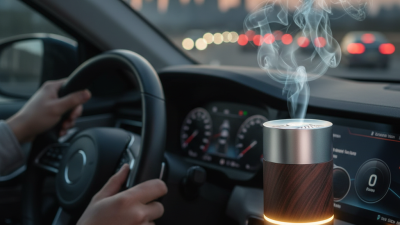
Choosing the right Car Aroma Diffuser for your vehicle can significantly enhance your driving experience. Research indicates that a pleasing scent can reduce stress by as much as 30%. In the automotive market, where consumers increasingly seek personalized experiences, the choice of fragrance becomes crucial. Industry expert Dr. Emily Ramsey notes, “A well-selected aroma can not only uplift your mood but also create a calming environment during your travels.”
When selecting a Car Aroma Diffuser, consider the design and functionality. Many models feature advanced technologies, such as ultrasonic diffusion, which improves scent distribution. Consumers often overlook how long-lasting a diffuser can be. A quality diffuser can provide continuous fragrance for months with minimal maintenance, making it a smart investment.
Additionally, pay attention to the essential oils you choose. Some oils may trigger allergies or cause irritation. It's important to find a balance between preference and safety. While choosing a Car Aroma Diffuser seems straightforward, engaging with these details can make all the difference. Reflect on how the right ambiance can transform your everyday drive into a soothing journey.
Understanding Different Types of Car Aroma Diffusers Available
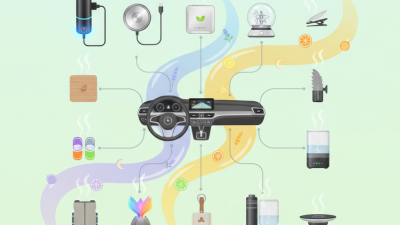
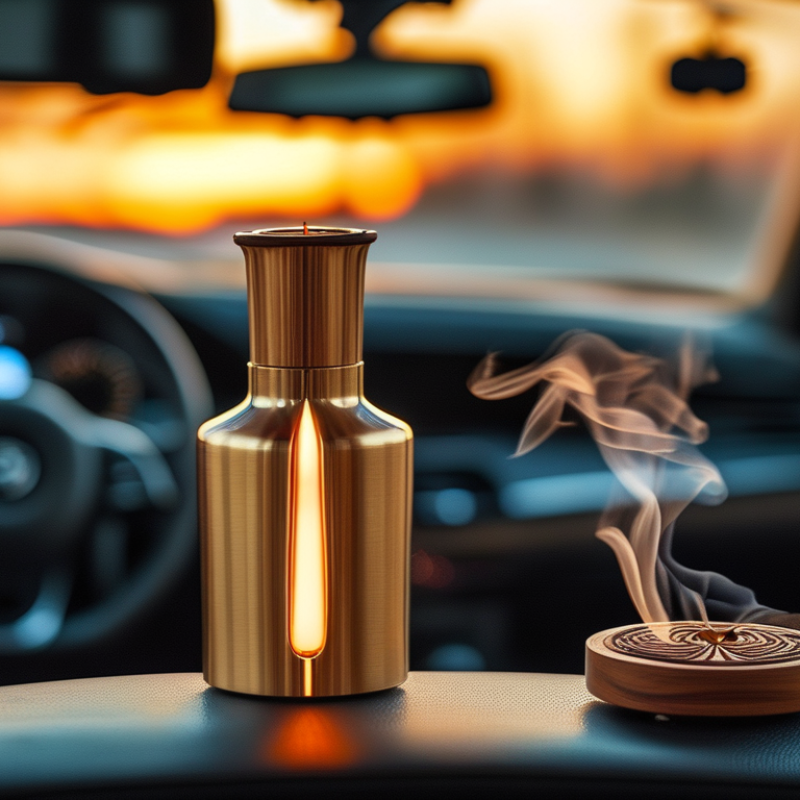
When selecting a car aroma diffuser, it’s essential to understand the various types available. The most common categories include passive diffusers, electric diffusers, and vent clip diffusers. Passive diffusers use absorbent materials to spread fragrance. They are simple but might not distribute scents effectively over time. Electric diffusers, on the other hand, utilize heat or ultrasonic waves to emit strong aromas. Reports indicate that electric models can enhance air quality, but their reliance on power makes them less convenient during road trips.
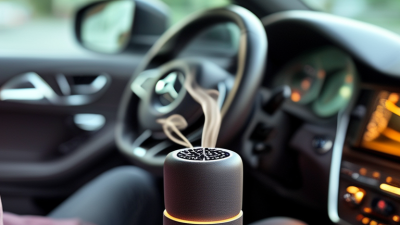
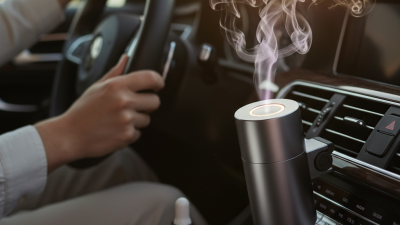
Vent clip diffusers attach directly to your car's air vents. They harness airflow to disperse scents throughout the vehicle. These devices tend to be popular because they are easy to install and adjust. Industry studies suggest that drivers prefer these diffusers for their performance and effectiveness. However, some users report that strong fragrances can be overwhelming if not monitored carefully.
Additionally, consider the essential oils or fragrance blends used in diffusers. Some may contain additives that can provoke allergies. Research shows that 30% of consumers are sensitive to synthetic ingredients. It’s crucial to test different options to find the right balance. Ultimately, while various types and features exist, user preferences and sensitivities should guide your choice for a pleasant driving experience.
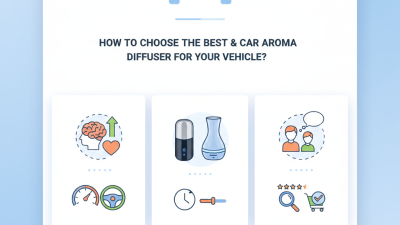
How to Choose the Best Car Aroma Diffuser for Your Vehicle?
| Type |
Description |
Pros |
Cons |
| Vent Clips |
These clips attach directly to the air vents in your car and release fragrance as air flows through them. |
Compact, easy to install, no spills. |
Limited scent throw, may need regular replacement. |
| Essential Oil Diffusers |
Use ultrasonic waves to disperse oils into the air, creating a fine mist. |
Natural scents, customizable, can offer therapeutic benefits. |
Requires oils to be purchased separately, may need power supply. |
| Plug-In Diffusers |
Plug into the car's power outlet and often use cartridges to provide fragrance. |
Consistent scent, easy to use, no refills needed for a long time. |
May require electricity, bulkier than other options. |
| Gel Air Fresheners |
Contain gel that releases fragrance slowly; often used in trays. |
Easy to replace, long-lasting. |
Limited fragrance options, may not distribute scent evenly. |
| Spray Air Fresheners |
Aerosol or pump spray bottles that dispel fragrance when sprayed. |
Instant fragrance boost, various scent choices. |
Temporary effect, need to be reapplied frequently. |
Factors to Consider When Choosing a Car Aroma Diffuser
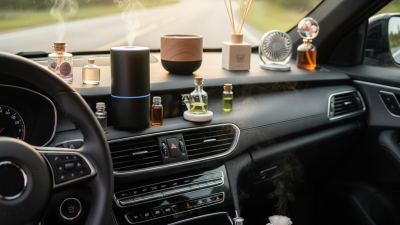
When selecting a car aroma diffuser, consider its size and compatibility with your vehicle. A diffuser that fits well in your car's interior enhances its aesthetics. Often, small diffusers blend seamlessly with your dashboard. Larger models may dominate space, making your environment feel cluttered. Assess what works best for your style and your car’s design.
Next, think about the type of oils you prefer. Some diffusers use water-based solutions, while others work with essential oils directly. Water-based diffusers can humidify the air, creating a soothing atmosphere. However, they may require more maintenance. Essential oil diffusers offer a simple experience but can sometimes leave a residue. It's essential to consult user reviews for insights on performance based on personal experiences.
Lastly, consider the method of operation. You can find battery-operated diffusers or those that plug into your car's power outlet. Battery-operated models provide flexibility but may need frequent replacements. Plug-in types usually provide a stable performance. Reflect on your driving habits and choose a diffuser that complements your routine. Each type has its pros and cons, so your choice should match your lifestyle.
Factors to Consider When Choosing a Car Aroma Diffuser
Evaluating the Best Aromatherapy Oils for Your Vehicle
Aromatherapy can transform your driving experience. Choosing the right essential oils is crucial for maximizing benefits. Research suggests that peppermint and lavender can enhance focus and reduce stress while driving. According to a study by the National Institutes of Health, lavender oil can lower anxiety levels by up to 30%. This can be particularly useful during long commutes.
When selecting oils, consider their purity. Pure oils provide more therapeutic benefits. Look for oils that are organic and sourced responsibly. Fraudulent oils can sap effectiveness. According to industry reports, over 40% of essential oils on the market are adulterated. Ensuring quality can make a significant difference in your experience.
Experimenting with different scents may yield unexpected results. While citrus oils like lemon can invigorate, some may find them overpowering. Balancing fresh and calming fragrances often requires trial and error. Pay attention to your body’s response. It’s a personal journey, and understanding what works best for you is essential.
Installation and Maintenance Tips for Car Aroma Diffusers
Installing a car aroma diffuser is simple but requires attention to detail. Begin by selecting a suitable location in your vehicle. The dashboard or air vent are popular choices. Make sure the diffuser does not obstruct your view or interfere with vehicle controls. Clean the area before installation. A clean surface ensures that the diffuser adheres well.
Tips: Regularly check the diffuser for leaks. If you notice any oil build-up, clean it promptly. This prevents unwanted odors and keeps your car smelling fresh. Using distilled water can help extend the life of the diffuser. Remember, not all essential oils are safe for car use. Always read the instructions before trying new scents.
Maintenance is crucial for optimal performance. Replace the water and essential oils frequently. A good rule of thumb is to refill every week. Ensure that the diffuser is turned off when not in use to avoid damage. If you experience inconsistent misting, it may be time to clean the device thoroughly. Use a soft cloth and avoid harsh chemicals to maintain its integrity.
Safety Considerations for Using Aroma Diffusers in Vehicles
When considering an aroma diffuser for your vehicle, safety must come first. Select oils that are safe for transportation. Some essential oils can be irritating or overwhelming when used in a confined space. Always test a small amount before fully employing the diffuser. This ensures that the scent won’t distract you while driving.
Placement is crucial for safety. A diffuser should never obstruct your vision. It should not block the air vents or interfere with your control of the vehicle. A poorly placed diffuser can lead to accidents. Make sure it is firmly secured and won’t move during a drive.
Be aware of how scents impact mood and alertness. Some fragrances can promote relaxation, while others might be too stimulating. A relaxed driver may become drowsy. Similarly, an overly stimulating scent can distract from the road. Balancing the intensity of the fragrance is important. Make adjustments based on the number of passengers and individual preferences. Always prioritize a safe driving environment.