How to Choose the Best Aroma Diffuser for Your Needs?
Choosing the right aroma diffuser can greatly enhance your environment. An aroma diffuser helps disperse essential oils into the air, creating a calming atmosphere. With many options available, picking one suited to your needs may feel overwhelming.
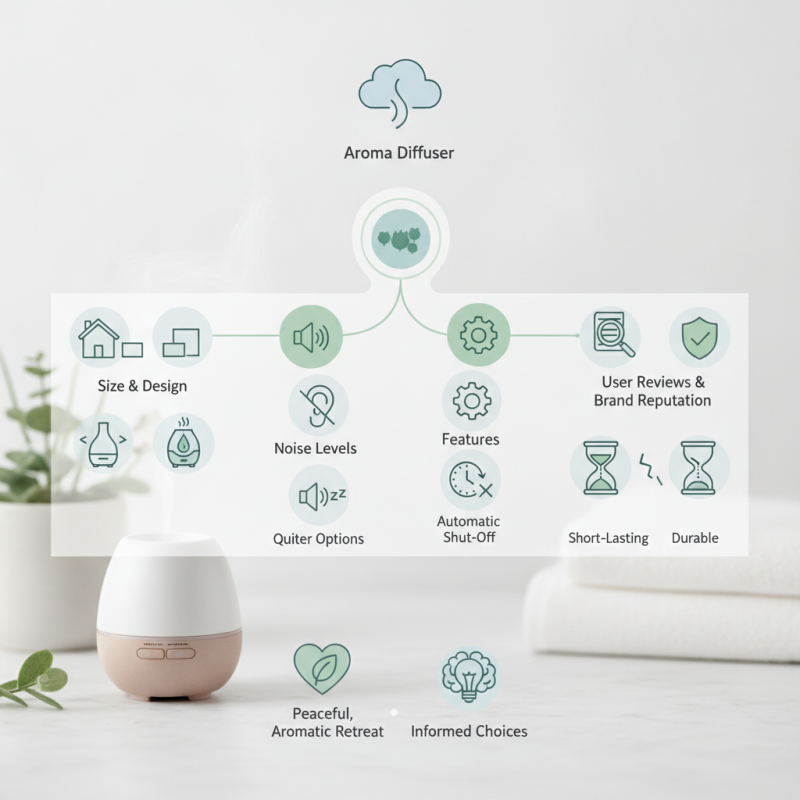
When selecting an aroma diffuser, consider its size and design. Some models suit small rooms, while others work well in larger spaces. Noise levels also vary between devices. If noise bothers you, look for quieter options. Think about the features you value, such as timer settings or automatic shut-off.
It's essential to read user reviews and product details. Check the brand’s reputation for quality. Some diffusers only last a short time, while others endure many years. Invest in a reliable aroma diffuser to ensure a satisfying experience. Make informed choices and create a peaceful, aromatic retreat in your home or office.
Factors to Consider When Choosing an Aroma Diffuser
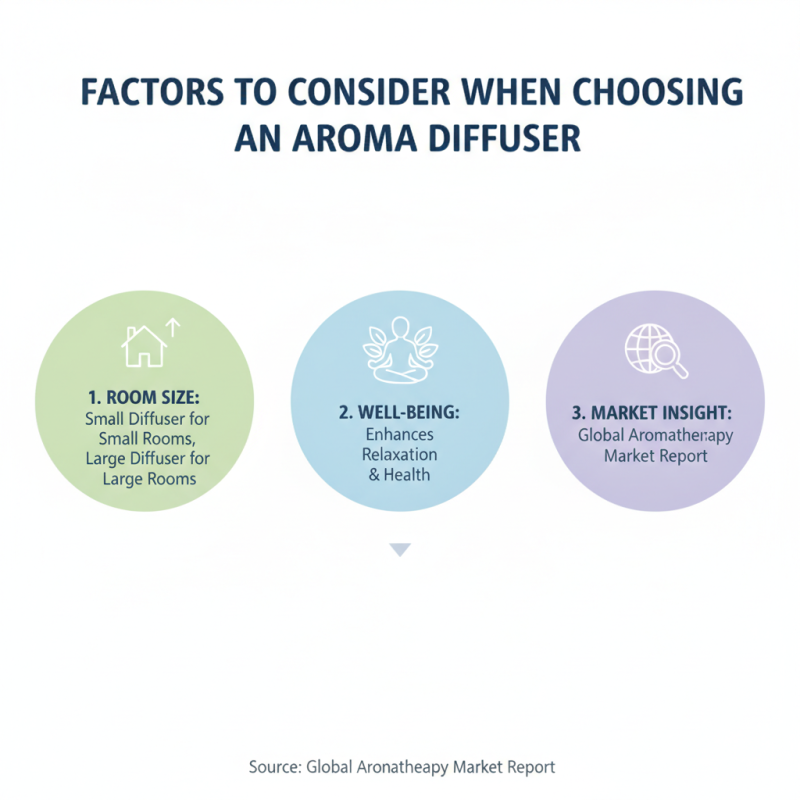
When choosing an aroma diffuser, several factors play a crucial role. The size of the space is important. A small diffuser may not be effective in large rooms. Conversely, a larger unit can overwhelm smaller spaces. According to a report by the Global Aromatherapy Market, the right diffuser can enhance relaxation and well-being, influencing overall health positively.
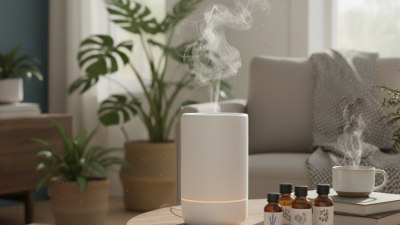
Another consideration is the type of diffuser. Ultrasonic, nebulizing, and heat diffusers each have unique features. Ultrasonic models use water, while nebulizing options release pure essential oils. Understanding these differences is critical. Research indicates that approximately 35% of users prefer ultrasonic diffusers for their safety and ease of use. However, they require regular maintenance to prevent mold buildup, which can diminish performance.
Also, think about the run time and capacity. Some diffusers can operate for only a few hours, while others last up to 16 hours. Users sometimes underestimate how often they need to refill. A low-water indicator is useful, but not all models offer this feature. This oversight can lead to unpleasant experiences. It’s essential to balance features with personal preferences and consider potential shortcomings in the decision-making process.
Types of Aroma Diffusers and Their Benefits
Aroma diffusers come in various types, each serving unique purposes and offering different benefits. Ultrasonic diffusers are popular for their ability to use electronic frequencies to create a fine mist. According to a report by Market Research Future, the ultrasonic diffuser market is expected to grow by 10% annually. This type is effective for aromatherapy, as it preserves the oil's therapeutic properties.
Nebulizing diffusers work without water. They use a small motor to atomize essential oils directly. This method provides a stronger scent, making it suitable for larger spaces. However, these models may consume oils rapidly, requiring more frequent refills. They also need regular cleaning to function effectively, reflecting concerns over maintenance.
Heat diffusers use a source of heat to evaporate essential oils. While they warm up quickly, this method may alter the oil's composition. Some users report a weaker fragrance compared to other types. Each diffuser type has pros and cons. Choosing the right one requires reflection on needs and environment. Consider space size, maintenance, and desired intensity when selecting an aroma diffuser.
Types of Aroma Diffusers and Their Benefits
Essential Oils Compatibility for Your Diffuser
Choosing the right essential oils for your aroma diffuser is crucial. Different oils have distinct properties and benefits. Not all oils are suitable for every diffuser. Some may clog the machine, while others might not produce the desired scent. Understanding the compatibility is essential for effective use.
When selecting oils, consider their purity. High-quality oils are often derived from natural ingredients. Look for labels indicating 100% pure essential oils. Cheap or synthetic alternatives may not only smell different but can also damage your diffuser. Research oils that suit your needs. Lavender is calming, while citrus oils are energizing.
Tips: Always test a small amount first. This ensures compatibility and avoids issues. Keep your diffuser clean to prevent residue build-up. Regular maintenance can enhance performance and lifespan. Remember, the experience can vary based on personal preference and environment. Reflect on which scents resonate with you and adjust accordingly.
How to Choose the Best Aroma Diffuser for Your Needs? - Essential Oils Compatibility for Your Diffuser
| Diffuser Type |
Best Essential Oils |
Capacity (ml) |
Run Time (hours) |
Features |
| Ultrasonic Diffuser |
Lavender, Peppermint, Lemon |
300 |
8 |
Night Light, Auto Shut-off |
| Nebulizing Diffuser |
Frankincense, Sandalwood, Rose |
50 |
2-3 |
Silent Operation, Adjustable Mist Output |
| Heat Diffuser |
Cinnamon, Clary Sage, Eucalyptus |
40 |
4-6 |
Compact, Easy to Clean |
| Evaporative Diffuser |
Tea Tree, Orange, Grapefruit |
No liquid, uses pads |
Varies |
Portable, No Water Needed |
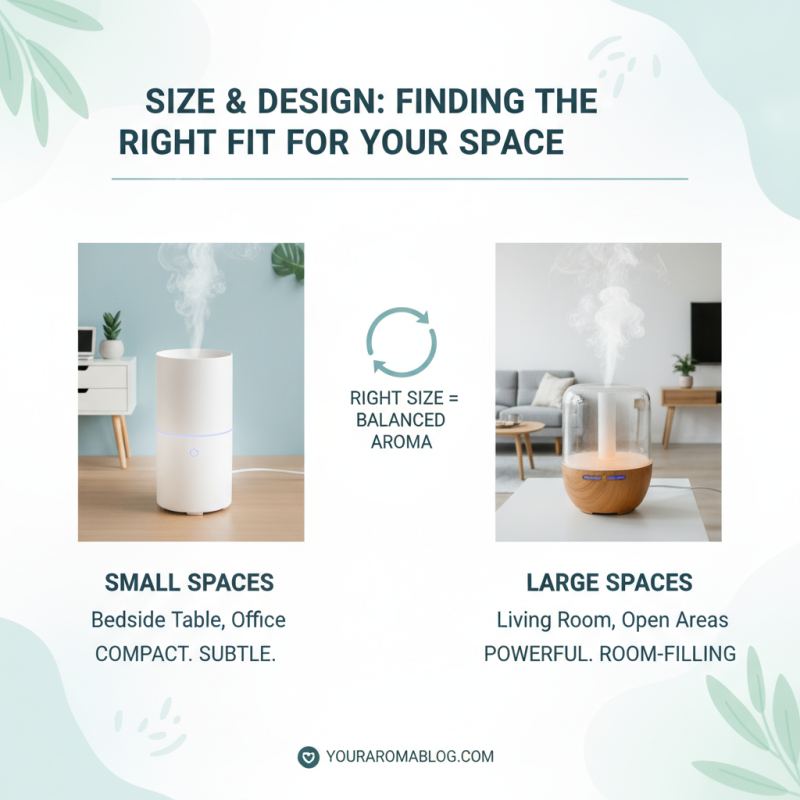
Size and Design: Finding the Right Fit for Your Space
When it comes to choosing an aroma diffuser, size and design play a crucial role. Think about the space where you plan to use it. A small, compact diffuser is perfect for bedside tables or small offices. If you have a larger living area, consider a bigger model that can disperse aromas across the room. A well-sized diffuser ensures that the scent isn’t overpowering or too faint.
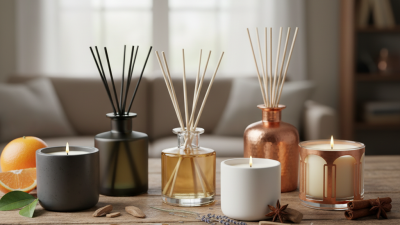
Design is equally important. The aesthetic should complement your decor. Rustic, modern, or minimalist designs can enhance your living space. Wooden or ceramic finishes often blend well with natural elements. Alternatively, sleek and metallic options can add a contemporary touch. Remember, the diffuser should not be an eyesore. People often overlook how the diffuser’s look can impact their overall atmosphere.
Take some time to reflect on your needs. Analyze your habits and preferences. Do you prefer vibrant scents or subtle ones? This can dictate the features you choose, such as timer settings or adjustable mist levels. Sometimes, we pick based on trends rather than what truly fits. Ensuring that you choose thoughtfully will elevate your aromatherapy experience.
Maintenance and Care Tips for Aroma Diffusers
Taking care of your aroma diffuser is essential to maintaining its effectiveness. Regular cleaning prevents mold and bacteria buildup. Use a soft cloth to wipe the exterior. Inside, water and essential oil residues can accumulate. Rinse the tank with warm water after each use. Deep clean it once a week. Mix equal parts of vinegar and water, and let it sit for a few hours. This will help to remove any lingering scents and build-up.
Be mindful of the water quality you use. Tap water may contain minerals that can affect the device. Consider distilled water for better maintenance. Adjust the usage according to your environment. If you notice a strange smell, it might be time to reconsider your essential oils. Some oils can degrade faster than others. You should experiment with different ones. It's a journey to find what works best for you.